Astonishia Story Wiki
Explore Astonishia Story with story lore, character guides, grid-based combat tips, recruitable allies, item locations, boss strategies, platform news, and walkthroughs.
Astonishia Story Resources
Eight quick jumps to the guides, systems, and references players use most in Astonishia Story
Latest Updates
Discover the newest guides, tips, and content
Astonishia Story: Step-by-Step Beginner Guide
Start Astonishia Story with practical exploration, party, equipment, grid combat, recruitment, and missable-content tips for a smoother campaign.
Astonishia Story 2 psp: PSP Version Guide & Tips
Learn how the Astonishia Story PSP edition works, with beginner tips for exploration, grid battles, party management, equipment, and missable content.
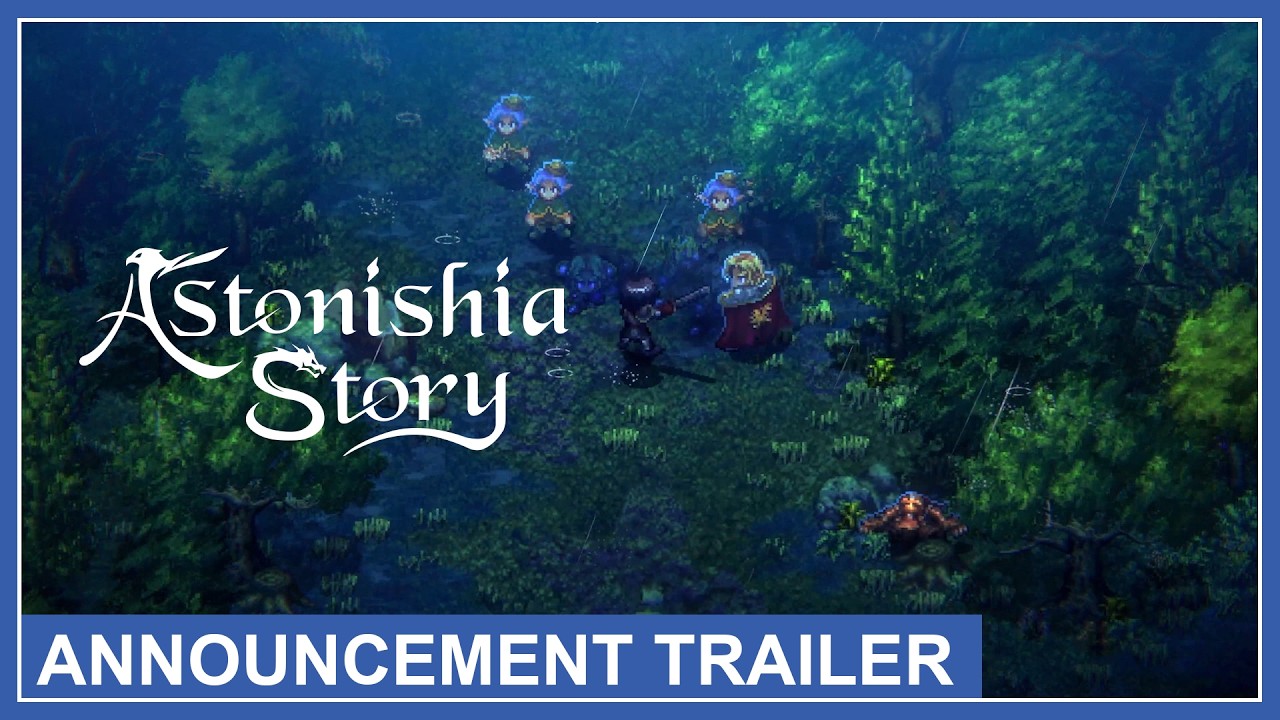
Astonishia Story announcement trailer: Release Guide
Track the Astonishia Story announcement trailer, identify confirmed release details, compare editions, and prepare for the modern tactical RPG.
Astonishia Story characters: Roles, Recruitment & Tips
Learn about Astonishia Story characters, party roles, recruitment timing, formation tips, and practical strategies for grid-based battles.
Astonishia Story dos: PC Version History & Setup Guide
Astonishia Story dos guide covering the classic PC release context, version differences, setup planning, grid combat basics, and safe progression tips.
Astonishia Story ending: Explained With Story Clues
Astonishia Story ending explained through Lloyd's journey, the Staff of Kinan, party themes, unresolved questions, and spoiler-aware story analysis.
Astonishia Story english: Version Guide & Combat Tips
Astonishia Story english guide covering version differences, localization, grid combat, party roles, recruitment, equipment, and beginner tips.
Astonishia Story guide: Step-by-Step Combat & Party Tips
Use this Astonishia Story guide for grid combat, party formation, exploration, recruitment, equipment, missable content, and boss preparation.
Astonishia Story is good: RPG Strengths & Weaknesses
Is Astonishia Story good? Explore its tactical grid combat, story, party system, classic RPG design, limitations, and ideal player profile.
Astonishia Story japan: Version Guide & Platform Tips
Explore Astonishia Story japan with a practical guide to the classic RPG, PSP history, modern platforms, tactical combat, party roles, and release details.
Astonishia Story manual: Beginner Steps & Combat Tips
Use this Astonishia Story manual for exploration, party setup, grid combat, equipment planning, recruitment checks, and missable-content preparation.
Astonishia Story map: Locations, Routes & Travel Tips
Use this Astonishia Story map guide to plan town visits, field routes, dungeon preparation, NPC checks, treasure searches, and safe story progression.
Astonishia Story Beginner Guide
Learn the core exploration, party management, and tactical battle systems before committing to the main journey.
Astonishia Story combines traditional RPG exploration with turn-based battles fought on a grid. Early progress becomes much easier when you explore towns carefully, keep the party equipped, and treat positioning as seriously as raw attack power.
Learn the Exploration Loop
Move between towns, field areas, and story locations while speaking with NPCs and checking accessible buildings. Important progression usually comes from completing the current story objective before moving to the next area.
Talk to important NPCs again after major story events because dialogue and available actions can change.
Keep Multiple Save Files
Save before entering new story areas, difficult battles, and sections where the party composition may change.
Separate saves make it easier to return to an earlier point if you want to revisit equipment, recruitment, or preparation.
Prepare Before Leaving Town
Check weapons, armor, healing supplies, and available funds before moving into combat-heavy areas. Equipment improvements are especially valuable during the early game.
Do not spend every coin on a single character when several party members need upgrades.
Understand Grid-Based Battles
Combat takes place on a tactical grid where movement and attack range determine who can engage each target. Moving into the wrong position can expose weaker characters to several enemies at once.
Move as a group instead of sending one character far ahead of the rest of the party.
Protect Vulnerable Party Members
Durable melee characters are better suited to the front line, while characters relying on ranged attacks, magic, or support should normally remain behind them.
Use nearby allies to prevent enemies from reaching fragile characters directly.
Watch Party Changes
Astonishia Story introduces companions and mercenary-style party options as the story progresses. Pay attention whenever the game gives you access to new characters or changes the active group.
Review equipment and combat roles whenever a new party member becomes available.
Astonishia Story Walkthrough
Follow the main adventure from Lloyd's opening mission through the later stages of the journey, with preparation notes for major battles.
The story begins with Lloyd serving as a knight and becoming involved in the loss of the sacred Staff of Kinan. From there, the adventure expands into a journey across multiple towns and hostile areas as Lloyd gathers companions and pursues the people responsible.
Astonishia Story Characters and Recruitment
Understand how the main hero, story companions, and additional party options fit into the tactical battle system.
Lloyd is the central protagonist of Astonishia Story, while the active party changes as new allies become involved in his journey. Recruitment and party selection matter because different characters contribute different movement, attack, magic, and support options during grid-based battles.
Lloyd
Main CharacterLloyd is the story's protagonist and does not require a recruitment condition.
- Reliable direct combat
- Suitable for frontline positioning
- Central to story progression
Use Lloyd to engage enemies while keeping supporting party members close enough to assist.
Story Companions
Main PartyThese characters become available through mandatory story events rather than optional hiring.
- Expand the party's tactical options
- Provide different attack ranges and abilities
- Allow more specialized formations
Check each new companion's equipment and range before deciding where to place them in formation.
Mercenary Characters
Recruitable AlliesAdditional combatants can become available as the player reaches new locations and progresses through the story.
- Increase party-building flexibility
- Can cover weaknesses in the current group
- Provide alternative tactical roles
Choose additional characters based on what your current party lacks rather than simply adding another melee attacker.
Frontline Characters
Combat RoleUse available characters with stronger close-range combat and durability in this role.
- Hold forward positions
- Protect ranged and support allies
- Control enemy movement around the party
Keep frontline characters close enough together that enemies cannot easily pass between them.
Ranged and Support Characters
Combat RoleThese roles become more important as the party gains characters with ranged, magical, and support abilities.
- Attack without occupying the front line
- Support stronger melee characters
- Improve tactical flexibility
Keep these characters behind the main formation and avoid exposing them to several enemies at once.
Astonishia Story Combat Guide
Master movement, attack range, formation, target selection, and party coordination in Astonishia Story's turn-based grid battles.
Battles are decided by more than character statistics. The grid determines which enemies can reach your party, which allies can attack, and whether weaker characters remain protected. Good positioning reduces incoming damage and lets several allies concentrate on the same target.
Check Movement Before Acting
Use the grid to judge how far your character and nearby enemies can travel before committing to a position.
Stopping just outside an enemy's effective approach can force that opponent to move toward your formation first.
Respect Attack Range
Different attacks and abilities require different distances from the target. Position characters so they can contribute without exposing themselves unnecessarily.
Keep close-range fighters forward while characters with longer-range options remain behind them.
Build a Front and Back Line
Place durable characters between enemies and weaker allies whenever the battlefield allows it.
A compact frontline can prevent opponents from reaching support characters in a single move.
Focus Fire
Concentrate several attacks on one enemy whenever possible instead of damaging many enemies without defeating any of them.
Removing one opponent completely reduces the number of attacks the enemy side can make on later turns.
Avoid Overextending
A character who advances too far can be attacked from several directions while the rest of the party is unable to help.
Advance the formation together and leave enough space for supporting characters to remain effective.
Use the Battlefield Layout
Walls, narrow routes, obstacles, and limited approach spaces can reduce the number of enemies able to engage your party simultaneously.
Holding a narrow approach can make a large enemy group easier to control.
Prioritize Dangerous Enemies
Do not always attack the closest target. Enemies with strong damage, ranged pressure, or disruptive abilities can be more important.
Use mobile characters to threaten dangerous targets while the frontline prevents other enemies from reaching the back line.
Prepare for Boss Battles
Enter major fights with updated equipment, healing resources, and a formation that can survive concentrated damage.
Keep the party close enough to support one another while avoiding unnecessary clustering when multiple characters could be threatened.
Astonishia Story Items and Equipment Guide
Learn how weapons, armor, accessories, consumables, and story items fit into character progression. Use the guide to decide what to buy, equip, keep, or save for later.
Astonishia Story uses traditional RPG equipment and consumable management alongside its tactical battles. Equipment upgrades improve the combat performance of individual party members, while healing supplies and key items remain important during long routes, dungeon sections, and story progression.
Weapons
- Purpose
- Increase a character's offensive capability and improve normal attack performance.
- How to Get It
- Primarily obtained through shops and progression through new towns and areas.
- Recommended Use
- Check weapon shops whenever the story reaches a new settlement and prioritize upgrades for characters who rely heavily on physical attacks.
Armor
- Purpose
- Improves survivability by strengthening a character's defensive statistics.
- How to Get It
- Purchased from equipment shops and obtained during normal exploration and progression.
- Recommended Use
- Keep front-line party members updated first because they are exposed to more enemy attacks during grid battles.
Accessories
- Purpose
- Provide additional character bonuses beyond standard weapon and armor slots.
- How to Get It
- Found or acquired as the party explores towns, routes, and other locations.
- Recommended Use
- Match accessory effects to each character's combat role rather than equipping them only by raw value.
Healing Consumables
- Purpose
- Restore lost health during difficult encounters and between battles.
- How to Get It
- Available through item shops and other normal item sources.
- Recommended Use
- Carry a reserve before entering long areas or major story battles so the party is not forced to rely entirely on healing abilities.
Recovery Consumables
- Purpose
- Support the party when characters suffer resource loss or other combat problems.
- How to Get It
- Purchased or collected during exploration.
- Recommended Use
- Save stronger recovery supplies for bosses and longer sequences where returning to a town is inconvenient.
Key Items
- Purpose
- Represent objects required for story events, quests, or access to later objectives.
- How to Get It
- Received through story progression, exploration, and event interactions.
- Recommended Use
- Keep key items and continue checking NPC dialogue or nearby objectives when the main story appears unable to progress.
Astonishia Story Secrets and Missable Content
Use this checklist before advancing major story sections. It focuses on optional interactions, recruitable characters, equipment opportunities, and other content that is easy to leave behind.
Astonishia Story frequently moves the party between towns, routes, battle maps, and story events. Players aiming for a thorough playthrough should finish local exploration and NPC interactions before committing to major area transitions.
Talk to available NPCs before leaving a town
ExplorationNPC conversations can point toward objectives, local events, shops, and other interactions that are easy to overlook when following only the main route.
Inspect accessible side paths and rooms
ExplorationComplete exploration of each accessible area before moving to the next major story destination.
Check new equipment shops before progressing
EquipmentTown changes often represent an opportunity to improve weapons, armor, and supplies before harder encounters.
Review potential party recruitment opportunities
CharactersAstonishia Story includes multiple companions and recruitable characters, so complete available character interactions before triggering major progression events.
Save before major story transitions
ProgressionCreate a separate save before entering an important new area, dungeon, or story sequence so earlier exploration remains accessible if needed.
Restock healing and recovery items before long routes
PreparationLong battle sequences are safer when the party enters with enough consumables instead of depending only on character abilities.
Finish nearby optional interactions before boss encounters
CompletionBoss battles frequently mark progression points, making them a useful checkpoint for reviewing unfinished local content.
Astonishia Story Best Party and Character Tier List
Build a balanced tactical party around durability, damage, range, and support. Character usefulness changes with positioning, equipment, and the type of encounter.
Astonishia Story is a fixed single-player RPG rather than a continuously balanced live-service game, so this tier structure focuses on practical campaign usefulness. Characters and roles that consistently contribute damage, survivability, healing, or safe ranged pressure are generally easier to use across the full adventure.
Lloyd
Front-line physical fighterReliable close-range presence and a natural fit for the party's front line.
Best for: General story progression, holding space near enemies, and protecting less durable allies.
Dedicated Healing and Support
Party sustainKeeps damaged allies active during extended tactical encounters.
Best for: Boss fights, long battle sequences, and parties that need greater consistency.
Ranged and Magic-focused Allies
Back-line damageCan pressure enemies without occupying the most dangerous front-line spaces.
Best for: Crowded maps, protected formations, and attacking targets that are difficult to approach safely.
Secondary Front-line Fighters
Physical damage and protectionAdd another durable body to the formation and help prevent enemies from reaching fragile allies.
Best for: Maps where multiple enemies approach from different directions.
Highly Specialized Party Members
Encounter-specific utilityCan perform well when their particular range, skill set, or positioning advantage matches the battle.
Best for: Specific enemy groups or tactical situations rather than every encounter.
Balanced Four-role Setup
Front line + second fighter + ranged damage + supportCombines protection, consistent damage, reach, and recovery instead of concentrating the entire party on one combat style.
Best for: A dependable formation for normal progression and difficult encounters.
Astonishia Story Release Date and Platforms
Compare the modern release with the earlier PSP version and see where Astonishia Story can be played. The current edition brings the Korean tactical RPG back to modern hardware.
Astonishia Story originated as a Korean role-playing series and later reached international players through its PSP edition. The modern release introduces the game to current PlayStation hardware and PC, while preserving its story-driven RPG structure and grid-based tactical combat.
PlayStation 5
Modern Release- Distribution
- Modern console release
- Publisher
- NIS America
- Notes
- A current-generation edition of Astonishia Story for PlayStation players.
PC
Modern Release- Distribution
- Steam
- Publisher
- NIS America
- Notes
- The modern PC edition is listed through Steam.
PlayStation Portable
Legacy Edition- Distribution
- PSP release
- Publisher
- Ubisoft in Western markets
- Notes
- The PSP edition introduced the game to a wider international audience during the handheld era.
PC
Series Origin- Distribution
- Original Korean computer release
- Publisher
- Sonnori
- Notes
- Astonishia Story began as a Korean computer RPG before later versions brought the series to additional platforms.
Modern and legacy editions
Gameplay Format- Distribution
- Single-player RPG
- Publisher
- Astonishia Story
- Notes
- The game combines story exploration, party management, equipment progression, and turn-based battles played on tactical grids.